
In 2014, Frank Gehry’s upraised middle finger went round the world. So did Zaha Hadid’s apparent dismissal of horrific construction working conditions in Qatar, where her design for a World Cup stadium will be built.
Prominent architects have become whipping boys and girls in anger about concentrated global wealth. Architects are drawn into the battles because they are seen as serving wealth that’s sometimes ill-gotten, while ignoring those who need to be housed, educated, and so on.
Unfortunately much of the celebrity-architect bashing not only trivializes what architects are capable of doing, but blames leaders in the field for sins shared by society—at least American society.
Talent goes where the money is
It’s not easy being a big-name architect these days. Boldness has often been deemed a sin in American architecture, perpetually bludgeoned by an institutional and development culture of cost-driven timidity. Citizens fear change because they fear it will be worse, and they are too often right. So architects of talent with a deep passion to explore esthetic possibilities go where the money is: developing countries that want to put themselves on the culture map and people of great wealth who desire monuments to their legacy and are willing to pay for them.
That’s pretty thin gruel, clientwise, and the results too often marry esthetic bravura to empty intention. Architecture as a tool to display ostentatious wealth (see “billionaire’s row” along Manhattan’s 57th Street) is hardly new. However cynical their patrons’ intentions, the buildings and institutions can become powerful shapers of place. That’s too often a rationalization architects use to try to make good buildings for bad clients, unfortunately. Zaha Hadid was likely to have been correct, legally speaking, when she observed that she could not affect work conditions at the site of her World Cup stadium. (More on that issue here.) One architect taking a stand isn’t going to change things in places ruled by authoritarians and fanatics, but architects can collectively try to figure out what practices should be deemed beyond the pale, and when even the best designed building is a collusion with, or aggrandizement of evil.
Unfortunately, the criticism of daring—if expensive—architecture too often focuses on everything but the design itself and whether it will meet the test of time. Gehry silently raised his middle finger at a Spanish journalist who asked if his buildings were only about spectacle.
Oversensitive? Yes, however Gehry’s annoyance at much of the critical reception to his Fondation Louis Vuitton, in Paris, is warranted. It largely depicts Gehry’s building as an overwrought pawn in a campaign of luxury mogul Bernard Arnault to deploy culture to launder his reputation. And what exactly are Arnault’s sins? They are vaguely swept into the category of predatory corporate raider.
The building, for those who actually look at it and allow themselves to experience it, is a knockout: purely, lyrically gorgeous even as the identity of the institution it serves remains an enigma. (A more detailed assessment will soon appear in Art in America.)
Where’s the harmony?
Assertive design continues to drive a lot of hysterical pushback, as if boldness posed an existential threat to architecture and to cities. Witold Rybcynski wrote in a New York Times Op-Ed that architecture should be “a reflection of a society and its values.” (You can see more on this here.) He was echoed recently in another piece by New Orleans architect and planner Steven Bingler and Metropolis Magazine alumnus Martin Pederson thus: “We seem increasingly incapable . . . of creating artful, harmonious work that resonates with a broad swath of the general population . . . ”
Whose society? What values? What’s harmonious and resonant? These critics can’t get beyond their own hazy, generalized opinions because there can be no consensus on these points in a society as diverse, not to mention individualistic, as America’s is. What’s esthetically “right” for streetscapes evolves over time: the Brooklyn Bridge was seen as a grossly intrusive horror when it rose above the steepled and row-housed skyline of New York.
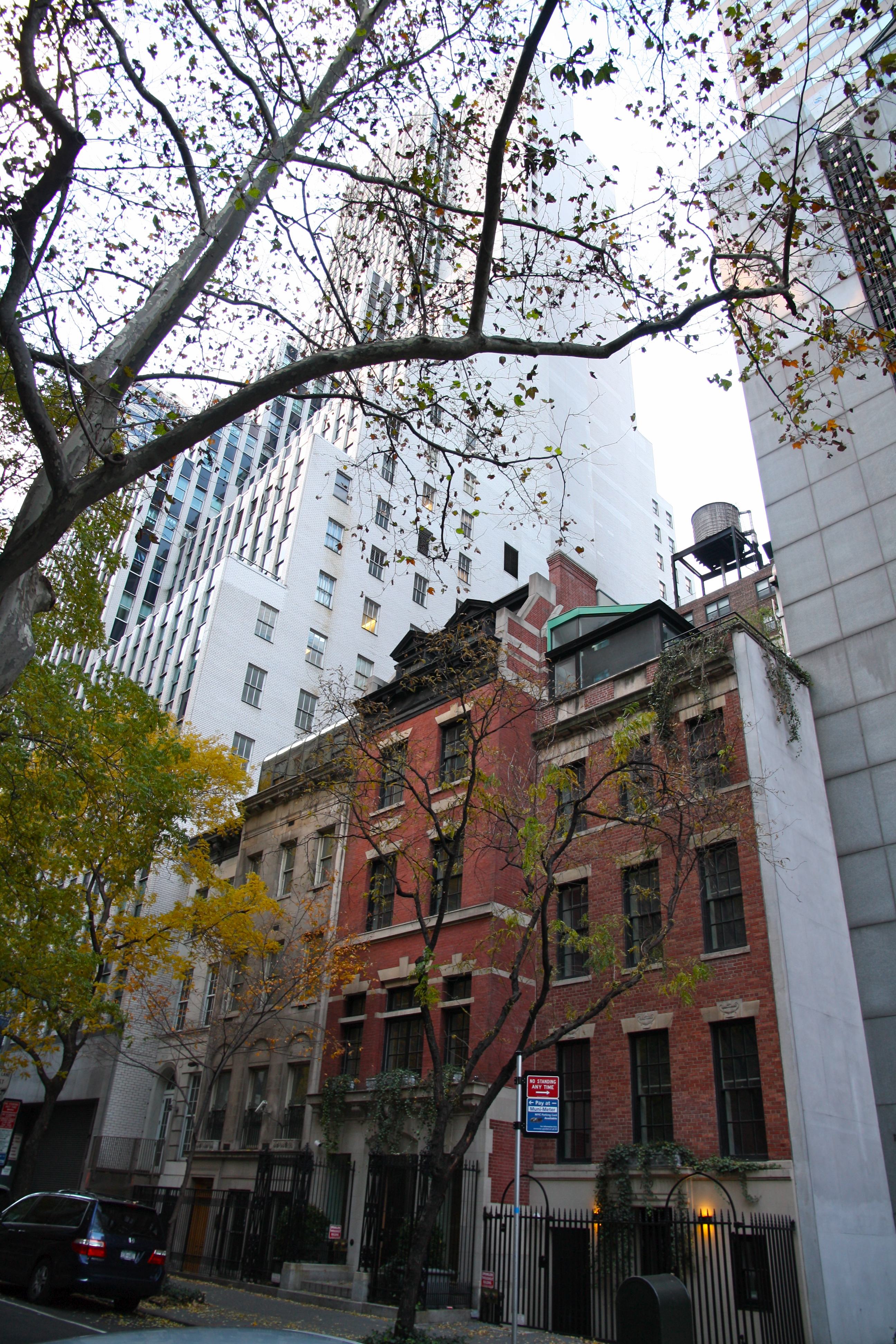
Architects should be deep participants in helping citizens understand what truly matters, which includes designing buildings that may transform our notions of scale if they solve some problems, like creating transit-friendly density with amenity. I’ll take a tall, skinny tower over a short lumpy one that may be “contextual,” but cuts off ligh, views, and breezes. If we don’t accept building scale and design diversity, we’re stuck with the embalmed historic district or the tyranny of the gated community, where the community association dictates what color you can paint your shingles.
Bashing esthetic adventurism usually comes from critics with a traditionalist bent, because what they deem harmonious is Eurocentric historicism, which is a very pinched notion of what architecture can contribute, especially as our population becomes more diverse and the issues architecture addresses become more complex.
These writers look nostalgically backward to a time when cultural elites dictated what to build, and the limits of construction technology mandated a consistent scale and a limited palette of materials. Yet the story of architecture has long been the unshackling of cities from a stultifying uniformity or orthodoxy. In some recent historical research (in New York 1880 and subsequent invaluable encyclopedic volumes by Robert A. M. Stern and several collaborators), the dour, unvarying brownstones—the very blocks that today are enshrined in historic-landmark districts and primped by prideful owners—were seen as killing the soul of the city.
Creating “unique” places formulaically
Cities like New York, San Francisco, Seattle, and Miami are transforming rapidly, both by a new influx of residents that want to live in city centers and by massive new wealth, both imported and domestic. Growth is an inevitably scary process, but one we are unprepared for because boldness and innovation have lost out to imitative development so lacking in meaning and commitment that we can’t work ourselves up to resist it.
American architecture is almost everywhere completely, consistently timid, questioning little, risking nothing, and delivering landscapes so enervated that the squishy concept of “placemaking” has had to be invented to train municipalities, developers, and architects to create formulaic uniqueness. Gehry got in trouble for following up his middle-finger gesture with the contention that 98 percent of buildings are crap. He took it back later, but it’s true.
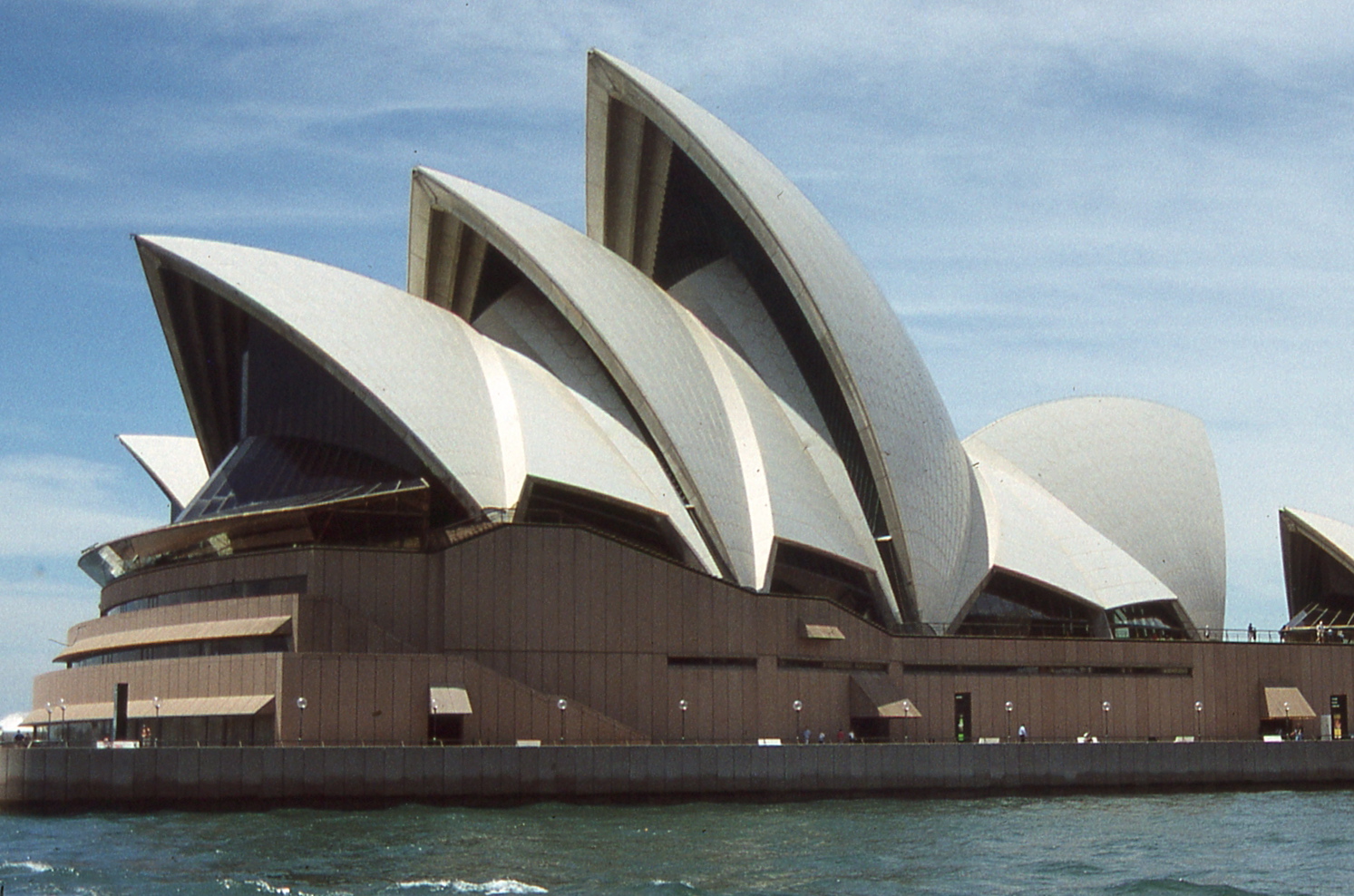
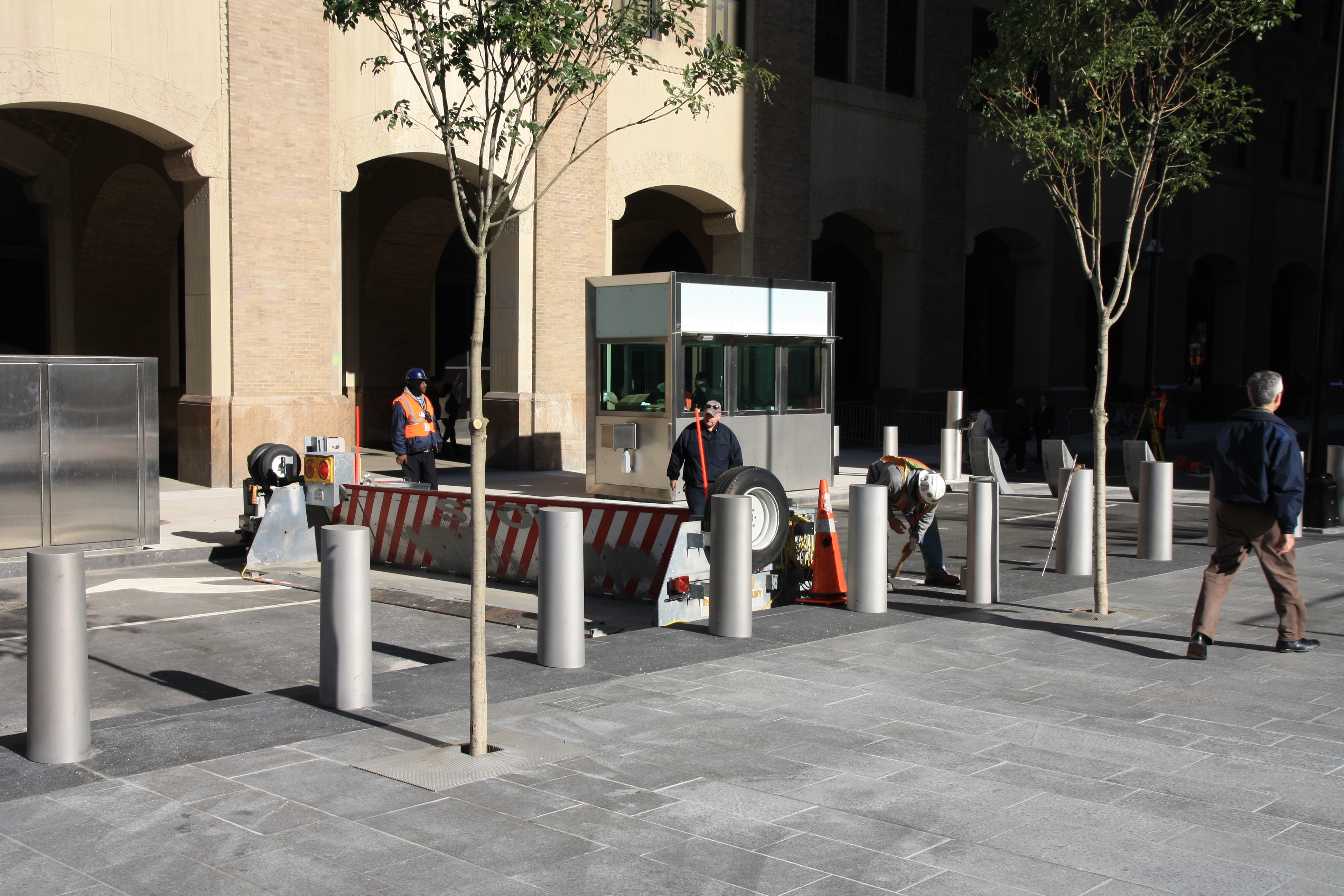
Think of one American city that erected in 2014 a building that embeds itself in a city’s identity the way the Sydney Opera House does, or the Empire State Building, the Kimbell Art Museum, and Chicago’s Millennium Park did. Over five years I could name perhaps a dozen nationwide. (Hence no Top 10 list this year.) In New York, the High Line Park has been transformative, but the overscaled anonymity of the World Trade Center and its embarrassing towers have become a symbol not of American strength, but of an America incapable of learning from 40-year-old planning mistakes. It’s architectural cowardice in a chaotic landscape of bollards, sally-ports, and surveillance.
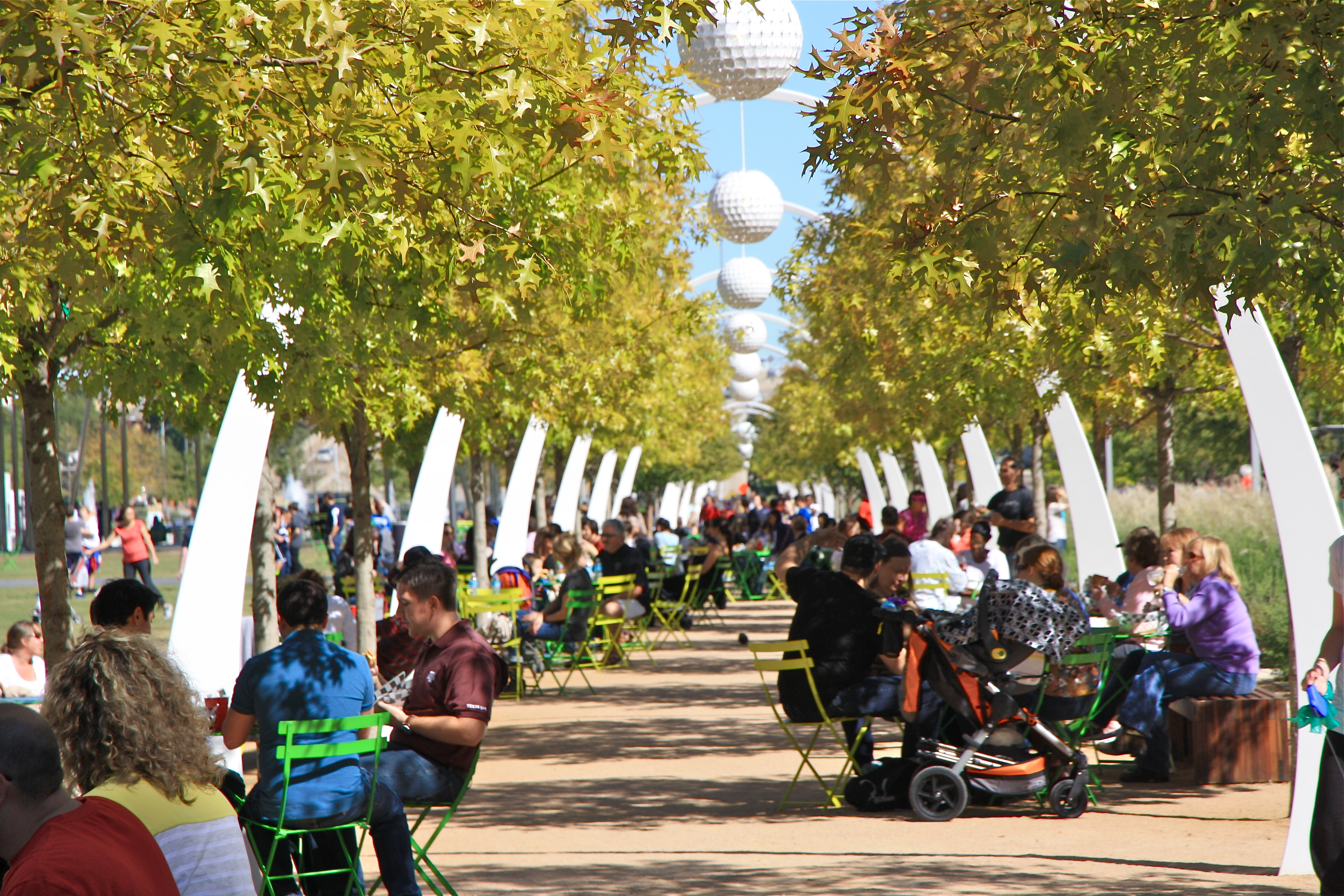
Boldness, innovation, and individualistic, highly expressive design is hardly a problem because it is so rare. We lack clients with vision who trust the public to fall in love with greatness. (Guess what, people often appreciate innovation and insight, even when the product is not “harmonious”: the Guggenheim Museum, the Space Needle, Apple stores.) Even a rather bland design, like that for Klyde Warren Park, in Dallas, can succeed by tapping into an unarticulated hunger. Who knew that walkable sociability in a city of empty sidewalks would prove so popular? The park’s many activities attract swarms of families. It’s a dog-walking, outdoor-dining, and food-truck mecca.
The idea, frequently bandied, that architecture does not reflect society’s values particularly irks me. That’s because architecture cannot help but reflect the larger culture and its values because society—individuals, companies, school boards, politicians—determine what’s built, not architects, though the idea that architects cast a spell over their hapless “patrons” seems to be a widely held though laughable fallacy. The architecture we build — McTudor mansions in the ‘burbs, gilded high-rise aeries, opportunistic strip malls, and schools that resemble medium-security prisons—accurately reflects our era of great concentrated wealth and mistrust of collective and public institutions.
Architects as agents of transformation
There’s so much architects could do if people decide they want their communities to represent a richer set of values. We can rebuild places like the commercial center of Ferguson, Mo., to create a collaborative, positive future for a tragic place that’s likely to shrivel, just as cities wracked by 1960s race riots did. Detroit and New Orleans attract the young idealists among us because they think they can make a difference in these places. Idealism is not enough to save cities of hundreds of thousands of people when pitted against decades of disinvestment, anti-urban policies, and presumptions of failure. Idealism can do much when it is intrinsic to a focused effort by business, government, and institutions to find solutions at a meaningful scale.
But America has no anti-poverty strategy. None of the economic nostrums bandied about by politicians of both parties focus on reversing the stagnating and declining incomes that have accelerated poverty and racial segregation in cities and suburbs. Architects can help communities prepare for climate change, build affordable housing, and create schools that nurture the neediest not just warehouse them. My architecture and sustainability students at New York’s City College would love to do these things, but only a small fraction will be able to make a living at it. Architects cannot will a more sociable and environmental future into being, but many are willing agents of such transformation if Americans, collectively, give them the chance.
We throw a trillion dollars and thousands of lives into wars that can at best halt hostilities for a time, because we expect military men and women to win battles, then hearts and minds. Americans have no idea how to wage peace—rebuilding communities, institutions, and economies—because we don’t practice it at home.
Architects will exist to plump the pillows of the wealthy and ignore society’s real needs as long as that’s all we expect of them. When we are ready to transform communities and lives, architects are ready to do that with boldness, innovation and sensitivity.


 James S. Russell
Leave a reply to Zeuler Lima Cancel reply